

Intrauterine Device – IUD
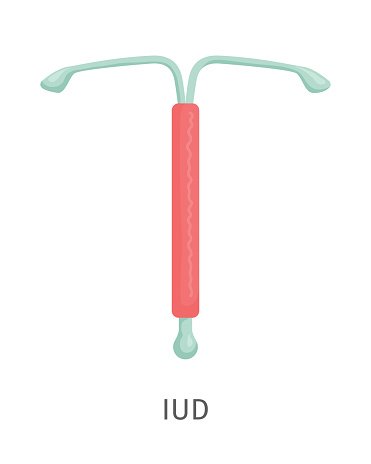 An intrauterine device commonly referred to as an IUD, is a birth control device that is inserted inside the uterus. The device is T-shaped and must remain in the uterus in order for it to prevent pregnancy.
 As with any type of birth control the IUD cannot protect against pregnancy 100%. However according to the American College of Gynecologists fewer than 1 out of 100 women who use the IUD will become pregnant while the device is in place.
It is also important to note that the IUD does not protect against sexually transmitted diseases.
An IUD will need to be placed in the uterus of the patient during a quick office visit. At Northwestern Women’s Health Associates we offer two types of IUD birth control.
Paraguard - The Paraguard IUD is made out of copper and contains no hormones. This type of IUD can be left in the uterus for 10 years.
Mirena - The Mirena IUD uses progesterone (hormones) to prevent pregnancy. The Mirena can prevent pregnancy and be left in the uterus for 5 years.
Here is a comparison chart to help you understand the differences between these two birth control options:
| ParaGuard | Mirena |
|---|---|
| Hormone free option | Uses progesterone, a synthetic hormone that is released into the uterus and absorbed by the body. |
| Can be used for up to 10 years or removed at any time. | Can be used for up to 5 years or removed at any time. |
| 99% effective | 99% effective |
| Menstrual cycle may initially be longer with heavier bleeding but after 2-3 months it should return to normal. | Menstrual cycle may initially increase but may lighten over time or even stop. |
| Can be removed at any time during an office visit. | Can be removed at any time during an office visit. |
| After removing the ParaGuard one study found that 43% of women became pregnant within 3 months. | After removing the Mirena one study found that 34% of women became pregnant within 3 months. |
| How it works: Prevents pregnancy primarily by stopping sperm from reaching and fertilizing the egg; may also prevent the egg from attaching to the uterus. | How it works: Thickens cervical mucus to prevent sperm from entering your uterus, or inhibits sperm from reaching or fertilizing the egg; may also thin the lining of the uterus. |
| Requires no daily or weekly routines. | Requires no daily or weekly routines. |
An IUD is a great choice for women who are looking for a birth control solution that lasts for a long time and doesn’t require them to take a daily pill. If a woman decides she wants to become pregnant or no longer wants to use the IUD it can be removed during a brief office visit. As soon as the device is removed you can try to become pregnant.
You cannot get an IUD without a visit to your obstetrics and gynecology provider. They will ensure that you are a good candidate for this type of birth control.
Benefits of IUD Birth Control:
There are many benefits of to using an IUD as your birth control method.- Once the IUD is inserted you don’t have to think about it at all, although you should check for the vaginal string once a month.
- It does not interfere with sex, exercise and other daily activities.
- You can use tampons while you have an IUD.
- You can have an IUD inserted soon after giving birth even if you are breastfeeding.
- The IUD can be easily removed allowing you the opportunity to try and get pregnant.
A fact sheet by the American College of Gynecologists outlines the details of the IUD including potential side effects and warning signs.
After you have had an IUD in place it is important to notify your obstetrics and gynecology provider if you have any pain or discomfort in your abdomen or during sex. If you have an unexplained fever or any signs of pregnancy it is important that you make an appointment with a provider at Northwestern Women’s Health Associates immediately.
Before making any birth control decisions call Northwestern Women’s Health Associates at
1-312-440-9400 to schedule an appointment to sit down with your provider to discuss your lifestyle and determine the best solution for your birth control needs.

At Northwestern Women's Health Associates
your unique needs are our highest priority.
Making use of advanced technology and staying on the cutting edge of women’s healthcare, our team of experts is dedicated to providing every woman who visits our office with the highest level of sensitive, specialized care. At our office in Chicago, you can receive exceptional obstetrics and gynecology (OBGYN) services from any one of our highly skilled doctors, including Stanley Friedell, MD; Abbie Roth, MD; Regina Belmonte, MD; Sharon Wise, MD; Julianne Morton, MD; Whitney Dunn, MD; Aleena Lakhanpal, MD ; and Margaret Kistner, MD. With their combined expertise, this team of board-certified doctors at Northwestern Women's Health Associates makes it possible for you to receive efficient, personalized care from the preeminent women’s hospital in the Midwest.Success Stories
-
Jen Weitz
![5 Star Review]()
"Wonderful experience with Dr. Julianne Morton @ NW Women's Associates. I've recommended her to countless girlfriends. Being a first time mom, I went through many physical symptoms and emotions that accompany pregnancy. She is extremely thorough, patient, and has wonderful bedside manner. I felt confident going into delivery with Dr. Morton taking the lead with my delivery. Wonderful practice!"
VIA![Google]()
-
Melissa P.
![5 Star Review]()
"Dr. Morton is absolutely amazing. She cared for me throughout my first pregnancy and we found her to be kind and caring and straightforward - could not have asked for a better experience! Dr. Dunn ended up being on call during my delivery and she was great as well. I have always found the nurses and office staff to be friendly and on top of things - very happy with the practice!"
VIA![Google]()
-
Jeanne S.
![5 Star Review]()
"I had to have a laproscopic hysterectomy done by Dr. Friedell and all went fabulously! They were very detailed in pre-op which made a lot of difference. I came out of surgery feeling great and post op I was back to work within two weeks. Everyone at the practice, at the hospital, at pre-op were incredible."
VIA![Google]()
-
Kelly C.
![5 Star Review]()
"Dr.Julianne Morton is amazing! I was recommended by a friend when I moved to the Chicago area and was looking for an OB-GYN. I have seen her for two years in Chicago for my yearly exam. She is beyond kind and great at what she does. Dr.Morton makes you feel very comfortable and is such an incredible doctor! I have recommended her to all of my friends as well who need a new gyno/OB-GYN."
VIA![Google]()
-
Ashes M.
![5 Star Review]()
"Dr. Morton is a really great doctor. She has an incredible bedside manner and makes you feel comfortable. She makes sure to ask if you have any questions and will happily answer all of them with you. Would highly recommend!"
VIA![Google]()
-
Mengmeng L.
![5 Star Review]()
"Dr. Friedell is amazing! He helped delivered my first baby and the whole process was super smooth and stress free. All the staff in the office are super friendly too. Highly recommend!"
VIA![Google]()
-
Anahita K.
![5 Star Review]()
"Dr Freidell is extremely knowledgeable, thorough and really cares about his patients. He is very good at getting to the root of the problem, especially with overlapping symptoms. He guided me through all my options and their implications. I will highly recommend him and his team."
VIA![Google]()
-
Dana M.
![5 Star Review]()
"I love Dr. Belmonte. I have been going to her since 2006! She rocks!!! She is straight to the point, I love that about her. When I leave her office after seeing her I always feel great, like a just left a good friends house or something!"
VIA![Google]()
-
Barbara A
![5 Star Review]()
"I can not tell you how wonderful my experiences have been. Dr. Sharon Wise is my doctor and she is fantastic. She is straightforward and honest about treatments and procedures. I enjoy her sense of humor, and I found her bedside manner when delivering my son to be excellent. "
VIA![Google]()

